
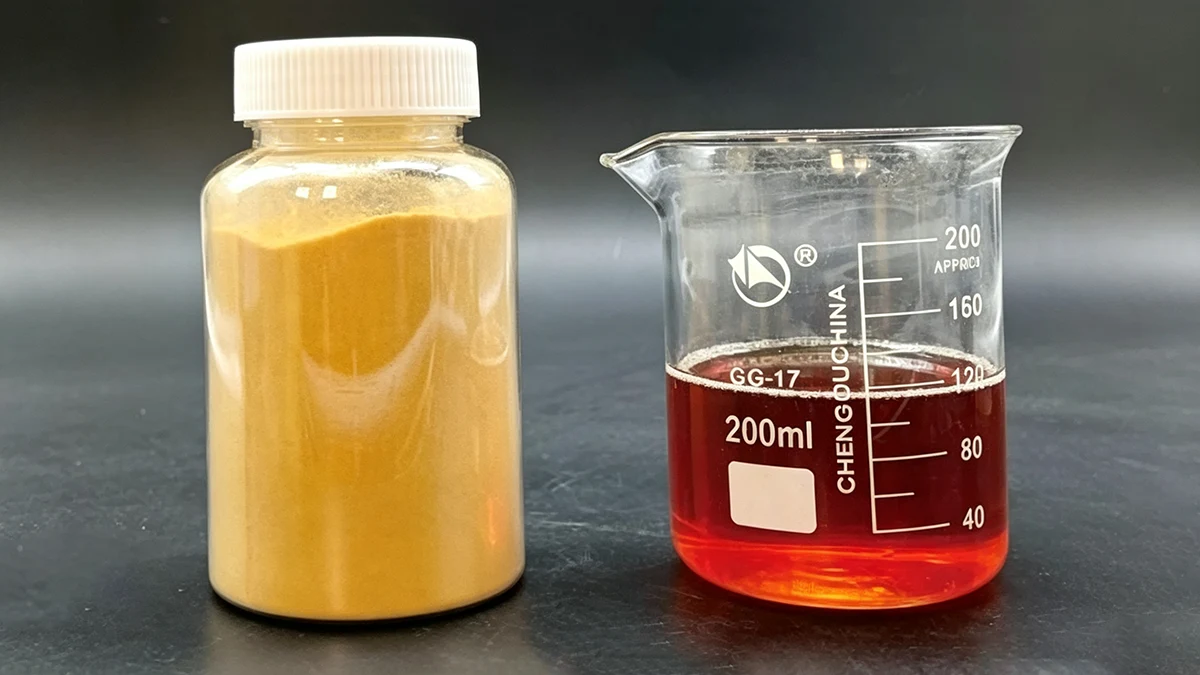
Polymeric Ferric Sulfate for River & Lake Algae & Eutrophication Control

Eutrophication triggered by excess nitrogen and phosphorus has become a prevalent problem for rivers, lakes and inland water bodies.
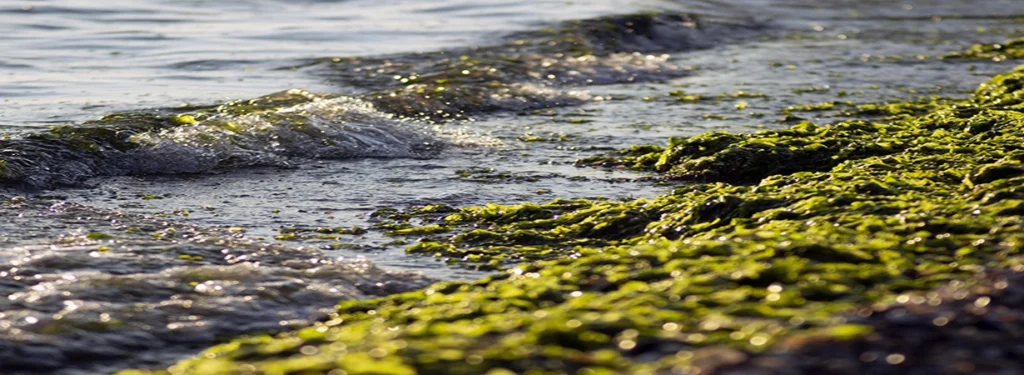
Nutrient accumulation causes explosive algae reproduction, forming dense algal blooms. These blooms block sunlight, consume dissolved oxygen in water, kill aquatic organisms, generate offensive odors and severely damage aquatic ecosystems and urban landscape water quality.
Traditional remediation methods have drawbacks including slow effect, high operation cost and secondary pollution risk. Polymeric Ferric Sulfate (PFS), an efficient inorganic polymeric coagulant,
has gained wide recognition in algae suppression and eutrophication mitigation for natural water bodies.
Working Mechanism in Water Restoration
- Phosphorus immobilization
Ferric ions released by PFS combine with soluble orthophosphate in water to form insoluble ferric phosphate precipitates, cutting off the key nutrient source required for algae growth fundamentally. Unlike aluminum-based coagulants,
PFS will not cause residual aluminum pollution threatening aquatic life. - Algae flocculation and sedimentation
The polymer chain structure of PFS neutralizes the negative charge on algal cell surfaces, destabilizing suspended algae cells. Small flocs aggregate into large dense flocs that rapidly sink to the sediment layer, directly removing floating algae from the water column. - Improve underwater light conditions
After turbidity and suspended algae are eliminated, sunlight penetrates deeper into water, helping submerged plants recover and reconstruct natural ecological interception for nutrients.
Core Advantages for River & Lake Treatment
- Broad applicable pH range (4.0–11.0), stable flocculation performance in variable natural water quality;
- Low sludge generation, reduced sludge transportation and disposal expenses compared with conventional coagulants;
- Fast floc formation and quick sedimentation, suitable for emergency treatment of sudden algal blooms;
- No toxic by-products, safe for fish, benthos and other aquatic creatures, compliant with environmental discharge standards.
Practical Application
- On-site small-scale jar tests are necessary to confirm the optimal dosage according to water depth, algae density and phosphorus concentration;
- PFS can be sprayed uniformly on the water surface or added at water inlet sections to avoid local excessive dosing leading to iron enrichment in sediment;
- For long-term eutrophic lakes, PFS chemical treatment can be matched with aquatic plant restoration and microbial remediation to achieve persistent governance instead of one-time temporary mitigation.
Polymeric Ferric Sulfate delivers both rapid emergency algae removal and long-term phosphorus locking effects, serving as an economical and reliable chemical solution for river and lake eutrophication control.
When combined with ecological restoration measures, it effectively restores water transparency and rebuilds balanced aquatic ecosystems, making it a preferred coagulant for landscape water and freshwater environmental management projects worldwide.